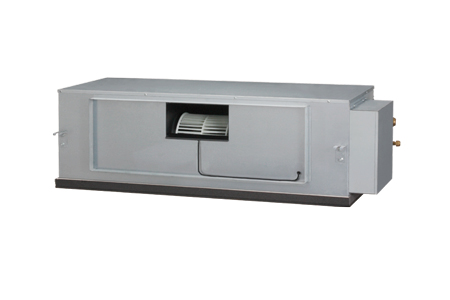
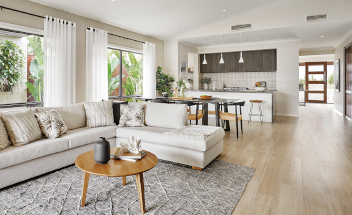
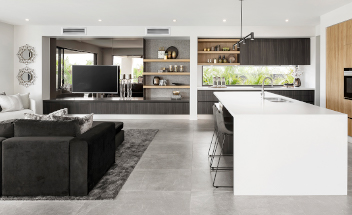
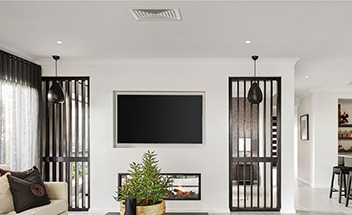
Whether you're in need of a single room air conditioner, such as a wall mounted unit for your bedroom, or you're looking for a whole home air conditioning system for your entire house, GENERAL (formerly Fujitsu General) has an air conditioning solution to meet your needs. And, no matter the choice you make, our products are supported by expert and friendly service you can trust.
Welcome to Australia’s Favourite Air®
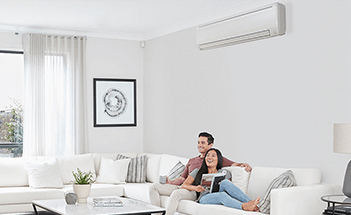
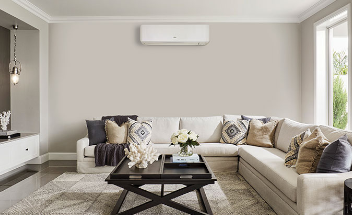
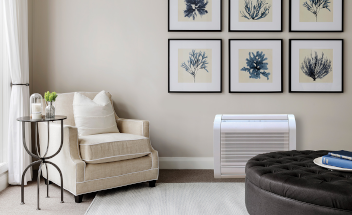
Single Room Solutions
Discover our range of air conditioning units suited to a single room or living space.
WHY CHOOSE A GENERAL AIRSTAGE HOME AIR CONDITIONER?
GENERAL (formerly Fujitsu General) is one of Australia’s most trusted names in air conditioning.
We’re known for manufacturing and supplying durable, energy-efficient home air conditioning systems, backed by exceptional after-sales service. Our commitment ensures your home stays comfortable year-round, without the hassle.
Peace of mind
A 5 year parts and labour warranty across the entire domestic range.
At GENERAL (formerly Fujitsu General), we are proud to connect our customers with the best suited residential air conditioners to accommodate their needs. However, our level of customer service doesn't stop there.
We strive to offer an end-to-end service, giving you the full support you need to get the best from your air conditioning system.
To ensure your air conditioner continues to efficiently heat and or cool your home, it’s highly recommended that you maintain your system by keeping the filters clean and getting your air conditioning system periodically serviced by a licensed technician. There are a number of reasons why you may require maintenance of your air conditioner, such as:
To ensure filters are clean of dust and debris
Inspect the drain to ensure no blockages or dirt build up
Clean of the outdoor unit and coils to ensure no restrictions to airflow
Inspect the unit to ensure there are no abnormal noises
Check the operation to ensure the unit is operating efficiently
Here at General Assist, you can have your residential air conditioner serviced by the professionals. General Assist deploys trained technicians in Sydney, Melbourne, Brisbane and Perth as well as Service Agents in all other parts of Australia. These technicians are well equipped with the necessary tools and spare parts to enable them to resolve issues on site promptly. This offers customers a high first time fix rate, and seamless experience.
Regular servicing is essential to ensure the optimal performance and longevity of air conditioning for residential properties. The frequency of servicing can vary depending on several factors, including the type of air conditioner, usage patterns, and environmental conditions. Here are some general guidelines:
Annual / Seasonal Servicing: It is recommended to have your home air conditioner serviced at least once a year, depending on use. This routine maintenance helps identify and address any minor issues before they escalate into major problems. As Australia is exposed to a wide range of extreme temperatures, it is recommended to schedule frequent servicing of your air conditioning in Australia. This ensures that your unit is in top shape and ready to perform at its best.
Filter Maintenance: Clogged or dirty filters can hinder airflow and reduce efficiency. It’s recommended that you clean the indoor units every 1 to 3 months, although this varies by model. Refer to the manufacturer’s operating manual on the recommended frequency and how to access and remove the filter from the indoor unit.
Environmental Considerations: It’s important to make sure to keep the outdoor unit free from debris and obstructions. Like with indoor units, debris can build-up on the outdoor unit fins, restricting airflow. This can cause the compressor to work harder, leading to higher energy usage and increased running costs. If you live in an area with high pollution, dust, or allergens, it may be necessary to service your air conditioner more frequently.
Determining the appropriate size of a domestic air conditioning system requires careful consideration of several factors. Here are some guidelines to help you estimate the size:
Calculate the square metre: Measure the square metres of the area you want to heat/cool. Multiply the length and width of each room, and then add up the metre footage of all the rooms you plan to heat/cool. This will give you a rough estimate of the total area to be heated/cooled by your home air conditioner.
Consider insulation and ceiling height: Take into account the quality of insulation in your home and the height of your ceilings. Well-insulated homes retain cool and warm air more effectively, reducing the workload of the air conditioning system. Homes with poor insulation may require a more powerful air conditioning system. Higher ceilings may require more heating/cooling power. All of these factors may affect your unit selection.
Request a heat load assessment: A heat load assessment is an important component of the quote process conducted by an air conditioning specialist. This is to ensure the correct size and type of air conditioning system is specified and installed, providing you with the most efficient solution. New residential air conditioning standards ensure specialists are adhering to these requests.
Consult a HVAC professional: For the most precise sizing recommendation, it's advisable to consult with a licensed HVAC professional. They can perform a thorough evaluation of your home's heating/cooling needs, considering factors like insulation, airflow, power supply, ductwork, and specific environmental conditions.
Over time, the filter inside residential air conditioners will fill up with dirt and debris, which can impact the performance and efficiency of the unit. To combat this process, it is recommended that you clean the filter at least every one to three months. Filters that are cracked or damaged in any other way should be replaced with a new one. For more information, please see our blog outlining how to clean an air conditioner.
When you are selecting your home air conditioning setup, there are a number of viable options to choose from. If you need to cool more than one room, you will most likely be choosing between a multi split system air conditioner and a ducted system. While it may seem like these systems achieve the same thing, there are a number of important differences that differentiate them.
A multi split system air conditioner consists of an externally mounted compressor and a number of individual indoor units. The individual units heat or cool one room independently of one another, each with their own remote control.
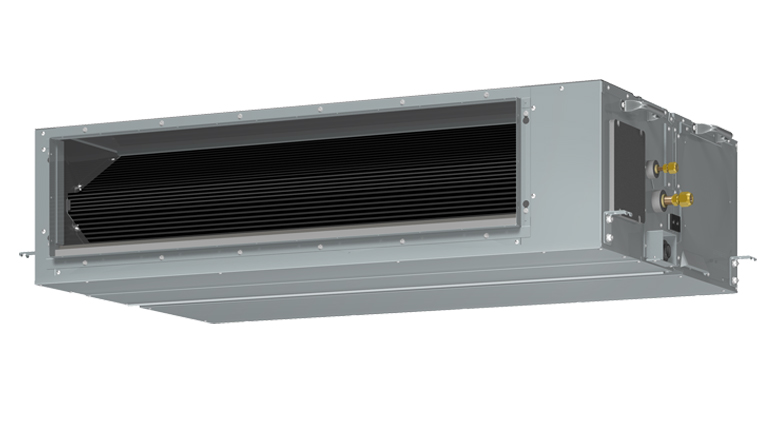
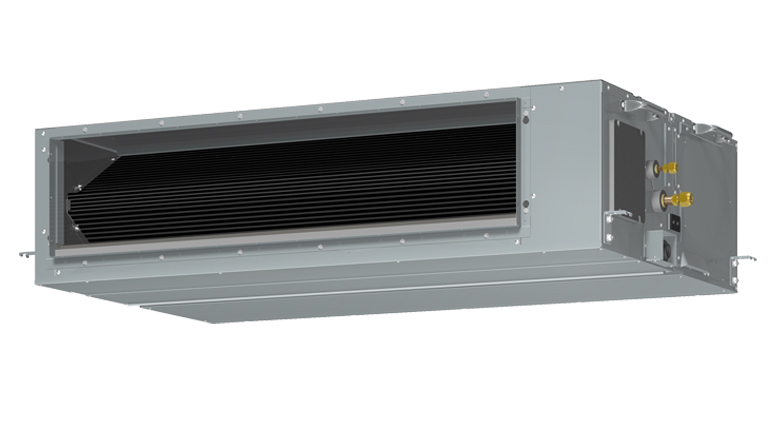
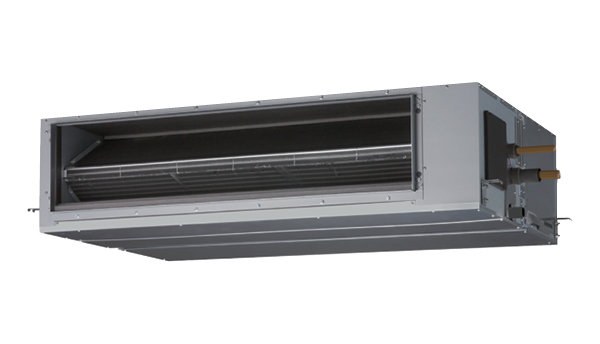
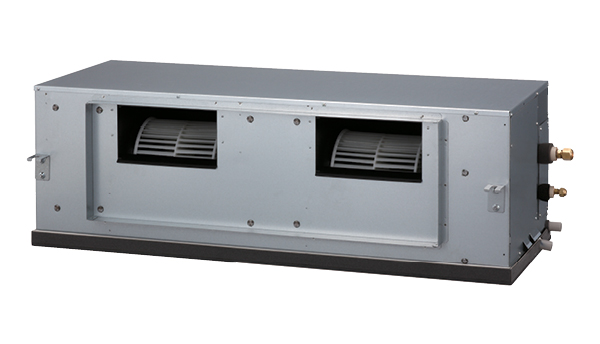
In contrast, ducted air conditioners feature a singular unit that is connected to vents in the ceiling of each room through a series of ductwork. Ducted systems can be zoned to offer occupants control over the temperature in each room. Another benefit of a ducted home air conditioner is that the vents integrate into the ceiling, creating a cleaner aesthetic in the room.
When selecting your next home air conditioning setup, it’s important to consider what matters to you and your family. Not only will this guide you towards the right type of home air conditioner, it will also help you choose a system that provides all the functionality your household requires. When choosing air conditioning for residential use, we recommend you consider:
Energy efficiency: Research the energy efficiency ratings and technical specifications of each unit you are considering.
Size: Have your home measured by a professional to determine the most suitable air conditioner for optimal performance and efficiency.
Noise: Research the amount of noise produced by each home air conditioner to ensure the unit will not impact members of your household when they are sleeping.
Home design constraints: The design and layout of your home may preclude you from installing certain types of air conditioners. For example, If your home is an older design, or has tall ceilings, you may not be able to fit a ducted air conditioner in your home.
Features: Programmable thermostats, efficient operating modes, sleep timers and motion detectors are all handy features to have in your home air conditioning system, for improved performance and efficiency.
Helpful Articles
Helpful articles and tips on how to keep your home and office comfortable all year round.
How to Run Your Air Conditioner Efficiently
Aug 30, 2021, 14:49 PM
Title :How to Run Your Air Conditioner Efficiently
Article date :
Jul 22, 2021, 00:00 AM
Sort order :
Having an effective air conditioner installed in your home is a great way of providing year-round comfort to you and your family. However, it is important that you know how to best utilise your air conditioner so you get the most out of its performance and energy. Keep reading for air conditioner efficiency tips that maximise the capability of your home air conditioner.
Utilise Energy Efficient Features
One of the most efficient ways to run air conditioners is to take advantage of the timer feature. GENERAL (formerly Fujitsu General) air conditioning units are equipped with modern technology that enables them to turn the air conditioner on or off on a weekly timetable. The user is able to program the unit to automatically operate at certain times of the day and switch off at all other points, maximising efficiency while maintaining comfort. The most economical air conditioner temperature depends on the mode of operation. When cooling, Fujitsu recommends anywhere between 22-24 degrees, while 19-21 degrees is optimal when heating.
Human Sensor Feature
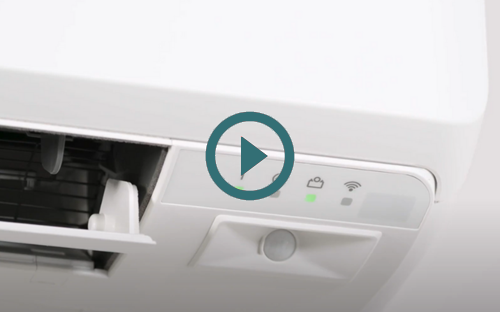
Some of General Airstage's (formerly Fujitsu) energy efficient air conditioners feature human sensor control. When in operation, motion sensors detect when the room has been left empty for 20 minutes and switch to energy-saving operation, modifying temperature to minimise energy consumption. When movement is detected within the room, the unit reverts back to its previous setting. The human sensor control feature allows you to maintain comfort in your home while reducing energy usage.
Use The Timer
General Airstage air conditioners come equipped with a range of timer functions that help to maintain air conditioner efficiency. Weekly timers let you program your air conditioner's operating hours for each day of the week. By matching the air conditioner’s operation to your weekly schedule, the unit is only working when you need it. For example, program your unit to turn off during the day when you’re at work and to turn on before you arrive home. This not only reduces energy use but also decreases wear and tear, which can extend your unit’s lifespan. A sleep timer can also be set, allowing you to rest comfortably throughout the night.
Close Your Windows, Doors and Limit Draughts
To ensure your air conditioner functions as efficiently as possible, close all windows and doors in the room that is being heated or cooled. This allows the air conditioner to perform optimally. Also, try to limit draughts as best as possible to ensure the cool or warm air is kept inside the room. Seal small cracks or gaps around windows and install weatherstripping or draught stoppers under doors to create a more stable environment.
Keep Your Home Insulated
Insulation is an important part of controlling the temperature inside your home. Studies have shown insulation can reduce energy use by up to 45 percent [1]. Insulation forms a barrier between the ceiling of your room and the weather conditions outside. This reduces the strain on your air conditioner and allows it to provide a higher level of comfort while consuming less energy.


.jpg?sfvrsn=5ca3636b_1)