What is the Best Air Conditioner Temperature for Pets?
The best air conditioner temperature for pets is usually between 20–24°C with most animals being comfortable within this climate range. Summer heat can be dangerous for pets and preventing heat stress is a priority to keep them happy and healthy.
Australia’s hot summers can become dangerous for pets and knowing how to keep our furry family members safe from heat stress and dehydration is essential. While we know the aircon works wonders for humans, how do our pets cope in our air conditioned homes?
This guide looks at the optimal AC setting for pets when things heat up outside.
Pets and Air Conditioning: Why it Matters
Pets don’t cope with heat the same way we do. Most animals can’t sweat effectively, especially those with thick, furry coats. It also makes them far more vulnerable to the rising temperatures during Australia’s hot and humid weather.
Bringing pets inside and turning on the home air conditioning seems like the easiest way to keep them comfortable and reduce the risk of dehydration and heat-related illnesses.
What is a Comfortable AC Setting for Most Pets?
While there are no official guidelines, it’s safe to say that most pets are comfortable with aircon temperatures similar to their owners. Around 20-24°C is a good place to start if you’re unsure about the optimal AC setting for pets. It will cool the house down enough without making it too chilly for smaller animals or those with short coats.
Our guide on the Best Air Conditioner Temperature in Summer also has some useful advice.
Optimal AC Settings for Pets: Dogs, Cats & Small Pets
Keeping the house cool is good for dogs, cats and small pets, as well as people in the scorching, Australian summer heat. When an animal’s body overheats and cannot cool down, the rise in internal temperature causes heatstroke. The life-threatening rise in internal temperature should be treated as an emergency for our pets and addressed immediately, as the condition can cause organ failure or death.
Taking precautions to keep our pets cool, hydrated and comfortable in hot weather is manageable. Here are answers to common questions about how different pets cope with air conditioning.
Dogs and air conditioning
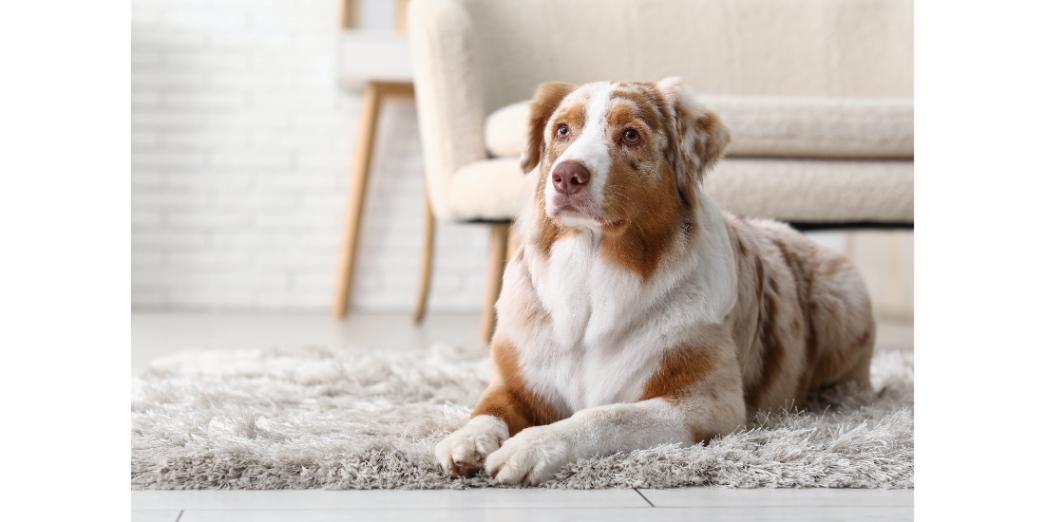
Dogs usually love the AC. In summer, it can actually be a lifesaver. Canines with thick coats, short-nosed (brachycephalic) breeds like bulldogs and pugs, older pooches and those carrying extra weight have a particularly difficult time staying cool, so a refreshing indoor temperature makes a huge difference to their overall comfort and safety.
Should I leave the AC on for my dog?
Absolutely, especially when the weather is hot or during a heatwave, leave the air conditioner on for your four-legged companion even if you’re not at home. Cool air can help lower a dog’s body temperature and keep them more comfortable.
The ground can heat up to more than 40 degrees in peak summer heat. It's wise to adjust daily dog walks to either early mornings or late evenings. The scorching hot ground will likely burn paws, which means rescheduling summer walks can be the safer, more comfortable option for our canine companions until the hot weather eases up.
Do dogs get cold in aircon?
Some do. Short-haired breeds, puppies, small dogs and senior dogs tend to feel cold drafts more. If they start shivering and curl up, or leave the room, then the temp is probably too low for them. Simply adjust it or pop out a blanket.
Can dogs sleep in an aircon room?
Definitely. Most canines sleep better in a cool, steady environment, especially in sweltering conditions. It’s best not to point vents directly at their bed and keep it cosy in case they prefer warmth.
Cats and air conditioners
Most cats enjoy air conditioning in the summer months, often seeking out cooler spaces. Cats are known to prefer curling up in cosy spots, but they’re not immune to heat stress. Felines can even be more sensitive to extreme summer heat, and it’s important to note that cats hide discomfort really well.
Keep your feline happy with cool surfaces and shady spots where they can lounge around, and keep them hydrated with plenty of fresh water.
Should I leave the air conditioner on for cats?
Yes. On hot days, keeping the AC on a steady, cool temperature can prevent heat stress.
Do cats get cold in AC?
Some do, especially those with short hair, older cats, smaller cats and kittens. If your feline avoids direct airflow or is constantly searching for a warm spot to curl up in, try bringing the temperature up a notch.
Can cats sleep in an aircon room?
Yes, most cats are happy to sleep in an air conditioned room. On hot days, they often look for cool spots to nap, and air conditioning can help keep them comfortable. As long as they can move between cooler areas and warmer places like a cosy spot on the floor or a family member’s lap, they’ll be just fine.
Smaller pets and air conditioning
Compared to cats and dogs, small pets, like rabbits, guinea pigs, rats and mice, are far more sensitive to heat. Once the temperature hits 24°C, smaller pets can begin to feel the heat, and temperatures over 30°C can be dangerous. Air conditioning can help, but it should be used gently and thoughtfully.
Set small pets up in a cool, quiet spot, somewhere out of the direct path of the AC. Chilled water bottles wrapped in towels also work well to create a safe surface they can rest close to. Fresh water and good ventilation are also essential for small animal wellbeing.
Should I leave the AC on for smaller pets?
Leaving for the day? Keep the AC on at a consistent temperature to ensure small pets at home don’t overheat. It's important to note that crates housing small animals like rabbits are not placed right in front of an AC vent.
Indirect cooling is always best for small animals. In peak summer heat, direct exposure to cold conditions over a long period of time can be harmful for small animals due to the high risk of shock. Always remember, indirect cooling is always best.
GENERAL Australia — Keeping You and Your Pets Cool
Understanding how pets react to heat allows you to create a safe, calm space for our furry family members. Appropriate AC settings and frequent well-being checks ensure that, even on peak days, they have a cool, peaceful retreat.
A reliable bedroom air conditioner can also help you and your pets sleep much better at night. For expert guidance, contact us today. We're here to make sure you and your pets are comfortable and happy all year long.
Helpful Articles
Helpful articles and tips on how to keep your home and office comfortable all year round.
.tmb-tmb420.jpg?sfvrsn=5c4be2e1_1)