Air Conditioner Troubleshooting Guide
A problematic air conditioner can be frustrating, especially during the peak season months. From poor airflow and temperature inconsistencies to unusual noises or odours, we’ll outline probable causes and the practical steps you can take before calling a professional. You can use Apply this Air Conditioner Troubleshooting Guide to perform simple at-home checks for typical issues and keep your system running efficiently.
While this AC troubleshooting guide covers the most common issues, some faults require an expert. For more serious problems, it’s always best to contact a licensed technician. Explore our range of residential air conditioners at GENERAL Australia (formerly Fujitsu General Australia) for reliable cooling and heating solutions designed to suit Australian homes.
How to Troubleshoot Your AC – Quick Checks Before You Start
Before calling an air conditioning technician, there are a few simple checks you can perform to get your air conditioner running again. You can easily fix some of the most typical issues with an air conditioner by troubleshooting at home.
Here are a few things to check first:
Check the power. Ensure the power switch is on and the circuit breaker has not tripped.
Inspect the remote control. Replace or re-insert the batteries and make sure the unit responds.
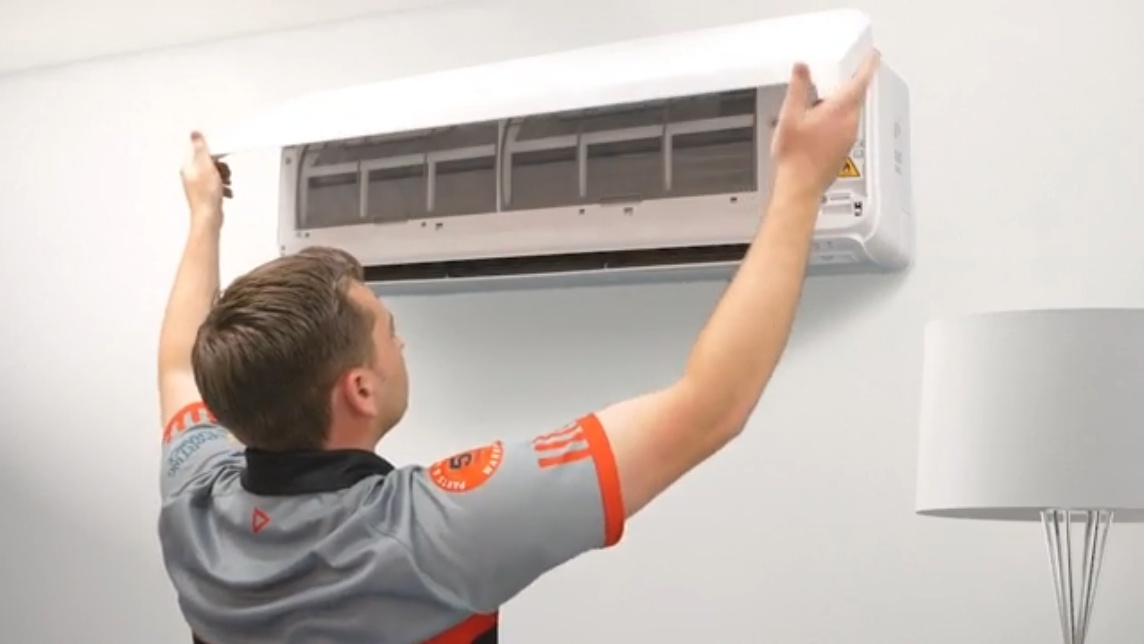
Clean the filters. Blocked filters restrict airflow and reduce efficiency. Learn more about AC filter cleaning here.
Check air outlets and vents. Make sure there is no blockage from furniture, curtains or debris.
Confirm the mode and settings. Ensure the air conditioner is set to either cooling or heating mode and the temperature is appropriate.
Safety tip: Never attempt to open or repair electrical components yourself. Always contact a licensed technician for electrical or internal system faults.
Troubleshooting Air Conditioner Problems: 6 Most Common Issues
Air conditioners can develop issues over time. Understanding common air conditioner problems can help you identify what’s wrong and whether it’s something you can fix yourself or if professional help is needed. Below are some frequent issues homeowners experience and the checks you should complete before booking a service.
1. AC not turning on or responding
If your unit is not turning on, start by checking the power supply, wall socket and circuit breaker. Replace the batteries in the remote control and ensure it’s working correctly. Sometimes the unit may have entered a protective standby mode, so wait a few minutes before trying again.
Specific General Airstage (formerly Fujitsu) fault codes on the controller or indoor unit can indicate particular problems, such as sensor errors or communication faults. Refer to your user manual to identify what the code means. If the unit still won’t respond, it may require a technician to inspect the main power board or connection wiring.
2. Air conditioner is blowing warm air instead of cool
Warm air coming from the unit when cooling mode is selected is one of the most common reasons people start troubleshooting their air conditioner problems. The issue can be caused by:
The thermostat is set incorrectly. Double-check that your thermostat is set to cool mode and the temperature is lower than the current room temperature. Resetting it often resolves the issue quickly. Just locate the small ‘RESET’ button, usually found near the bottom of the remote control and press it gently.
Dirty filters can block air circulation and reduce cooling efficiency. Clean or replace filters if required.
Blocked condensers can prevent heat from escaping, particularly if the outdoor unit is surrounded by debris or overgrown plants.
Low refrigerant levels may prevent the system from cooling effectively. Only a licensed technician can check and refill refrigerant safely.
If your air conditioner is too small for the room or home size, it may struggle to reach the set temperature, especially on scorching days. An undersized unit can run continuously without delivering enough cool air. In this case, a General Assist (formerly Fujitsu General Assist) specialist can help assess your system and recommend the right capacity for your space.
For more detailed information, learn what to do when your air conditioner is not cooling here.
3. Weak or uneven airflow
If the airflow feels weak or uneven between rooms, start by checking the filters and vents. Dust or pet hair can accumulate quickly, reducing circulation.
For ducted systems, blockages or leaks in the ducts can also affect airflow. In split systems, a damaged fan motor or obstructed fan blades can lead to similar symptoms. Regular cleaning and maintenance can help restore airflow to maintain a consistent level of comfort.
4. Air conditioner is making weird noises
Gentle hums and low fan noise are normal, but rattling, buzzing or banging noises can indicate a major problem.
Rattling or vibrating may suggest loose panels, screws or mounts.
Buzzing or clicking can point to electrical faults.
Banging or scraping might mean debris has entered the fan or the blades are misaligned.
If you hear persistent or unusual sounds, it’s best to turn off the unit and schedule a professional inspection. Learn more about what can cause your aircon to make noise and when it’s time to call for service.
5. Water leaking or dripping from unit
Water leaks can occur when the drainpipe becomes blocked with dust or debris, preventing condensation from draining away. Alternatively, frozen coils caused by restricted airflow can also result in dripping when the ice melts.
If you notice water pooling beneath the indoor unit, switch off the system and contact a technician. Continuing to run the unit may cause electrical or water damage. Read more about the common causes of an aircon dripping water and how to prevent it.
6. Bad smells coming from your air conditioner
Unpleasant odours from your air conditioning can make your home uncomfortable. Musty smells often indicate mould or mildew growth caused by moisture buildup in the filters or coils.
Burning or chemical smells may point to overheating electrical parts, which require immediate professional attention.
Routine cleaning helps reduce odours and maintain air quality. If the smell persists, have a licensed technician inspect the system. Find out more about why your air conditioner smells and how to fix it safely.
Home Air Conditioner Troubleshooting Guide: Maintenance to Prevent Future Issues
A little maintenance goes a long way in preventing unexpected breakdowns and ensuring reliable comfort all year. Following a few simple steps can help your system run smoothly, improve efficiency and extend its lifespan.
To keep your air conditioner performing at its best:
Clean or replace filters regularly to maintain airflow and prevent dust buildup.
Schedule an annual air conditioning service to ensure all components are operating efficiently and to catch any minor issues early.
Keep outdoor units clear of leaves, dirt and obstructions to support proper airflow.
Check temperature and mode settings seasonally to match your comfort needs and local climate.
Run your air conditioner periodically in the off-season to keep internal components lubricated and prevent dust accumulation.
General Airstage Aircon Troubleshooting:
General Airstage systems are designed with advanced technology to make troubleshooting easier. Features such as self-diagnostic functions, fault codes and smart sensors help detect performance issues early.
Many General Airstage models also include:
Automatic restart after power outages to resume operation in the same mode and settings.
Economy mode to manage energy use while maintaining comfort.
Sleep and quiet modes to reduce fan speed and noise levels in bedrooms.
Allergen filters to maintain air quality and improve indoor health.
Following this aircon troubleshooting guide and regular maintenance can help extend the life of your system and maintain energy efficiency.
How Do You Diagnose AC Problems? When to Call a Professional
While basic air conditioner troubleshooting can resolve simple issues, diagnosing complex faults should always be left to trained professionals. Attempting to repair internal components or electrical parts yourself can be dangerous and may cause additional damage, costly repairs or voided warranties.
If you’ve already checked the basics, such as power, settings and cleaning filters, but your system is still not performing correctly, it’s time to call an expert. Qualified technicians have the tools and knowledge to safely test electrical connections, refrigerant levels and sensors to pinpoint the issue.
For expert help, use our tool to find a service agent who can inspect, diagnose and repair your AC system for optimal performance.
Final Thoughts with GENERAL Australia
If you’re unsure what’s causing an issue or need expert support, GENERAL Australia is here to help. Contact us today and our experienced team can assist with General Airstage troubleshooting, advice, and professional service arrangements.

Helpful Articles
Helpful articles and tips on how to keep your home and office comfortable all year round.
.tmb-tmb420.jpg?sfvrsn=5c4be2e1_1)